Lifetime Companions: Can Couples Live Together in Assisted Living?
Choosing assisted living can already be a difficult decision for an individual, but it can feel even more complicated when a spouse or partner is involved. Couples may worry that moving will disrupt their relationship or separate them, sometimes making them hesitant to seek the support they need.
Many assisted living communities have recognized how important a spouse can be to a resident’s support system and overall well-being. Couples have options that allow them to remain together or stay close even when their care needs differ.
Can a married couple live together in assisted living? This guide explains how communities accommodate couples, the benefits of staying together, and what to look for when choosing the right community.
Table of Contents
- Can a Husband and Wife Live Together in Assisted Living?
- 3 Ways Assisted Living Facilities Accommodate Couples
- A Couple Can Live Together in Assisted Living and Reap These 5 Benefits
- How To Find an Assisted Living Facility That Allows Couples To Live Together
- The Country Home: Assisted Living That Accommodates Couples’ Care and Companionship Needs
Yes. In many assisted living communities, husbands and wives can continue living together, even when only one spouse requires assistance. When their care needs differ significantly, they may live in separate rooms or care areas within the same community so they can remain close.
Available arrangements vary by community. Some couples may share accommodations while receiving different levels of support. Others may benefit from living nearby if one spouse eventually requires memory or permanent care. Choosing a community offering multiple levels of senior living can make adapting to changing needs easier while helping couples preserve their connection and companionship.
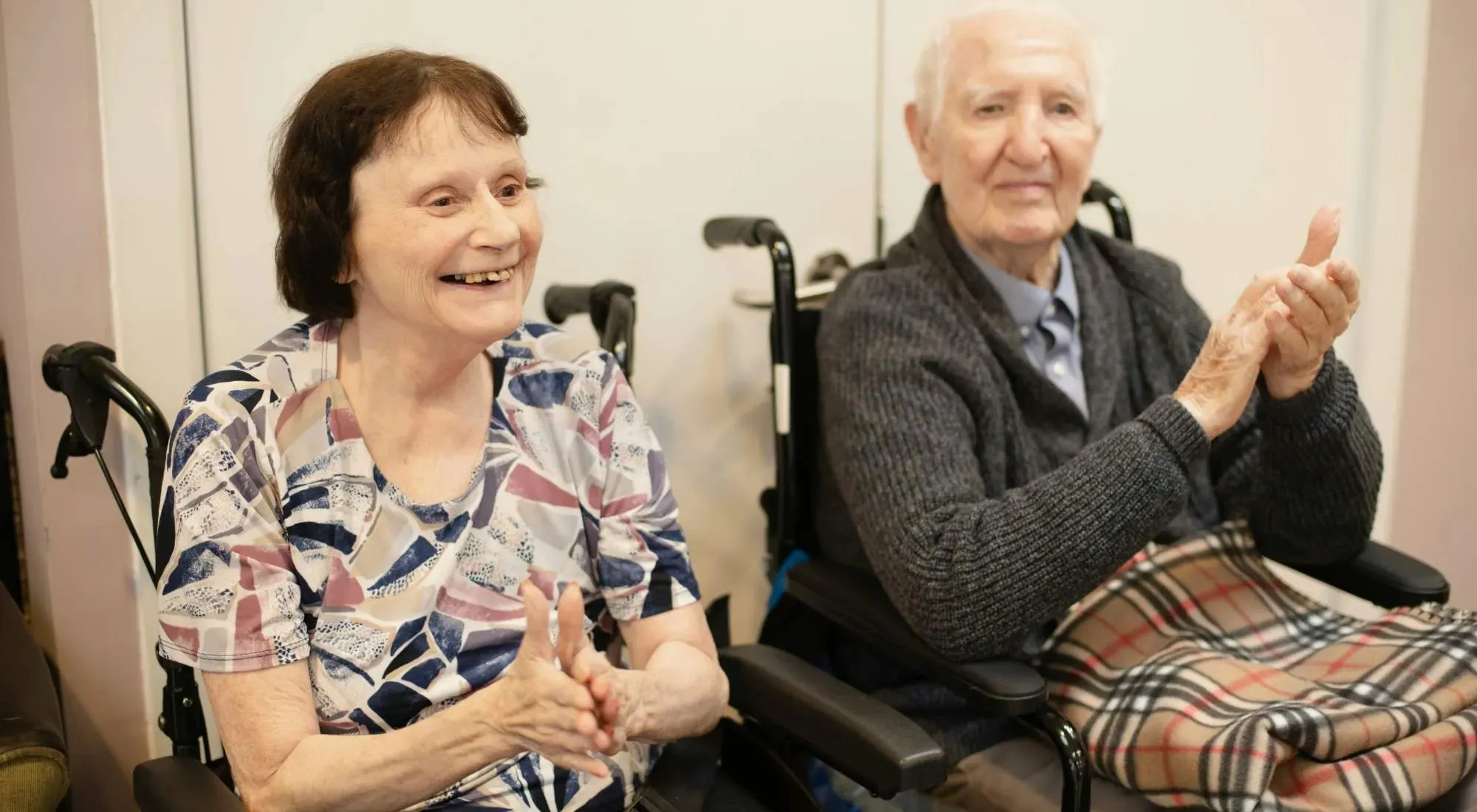
#1: Flexible Living Arrangements
Couples may be able to share living accommodations when their care needs are compatible. In other situations, one spouse may require assisted living or memory care while the other remains largely independent.
A community offering a continuum of care can make it easier for spouses to remain close even if sharing a room is no longer practical. For example, they might live in different areas of the same community, so they can see each other for meals, activities, visits, and quiet time together.
#2: Careful Care Coordination
Different care schedules should not prevent spouses from spending meaningful time together. A thoughtful care team can consider each person’s support needs while preserving routines that matter to the couple.
Coordinating meals, appointments, assistance, or activities can help spouses share more of their day, even when one partner requires additional care. Preserving these familiar routines can support comfort, connection, and quality of life.
At The Country Home, couples can explore care options that address their individual needs while helping them stay close and continue enjoying meaningful time together.

#3: Social Events and Private Spaces
Depending on the community, couples may be able to participate together in activities such as:
- Shared meals
- Games or social gatherings
- Music and entertainment
- Holiday or seasonal celebrations
- Walks and recreational activities
Comfortable common areas can also give partners opportunities to talk, relax, or spend time together outside organized programming. A balance between social opportunities, access to amenities, and personal time can help couples maintain familiar aspects of their relationship after moving into senior living.
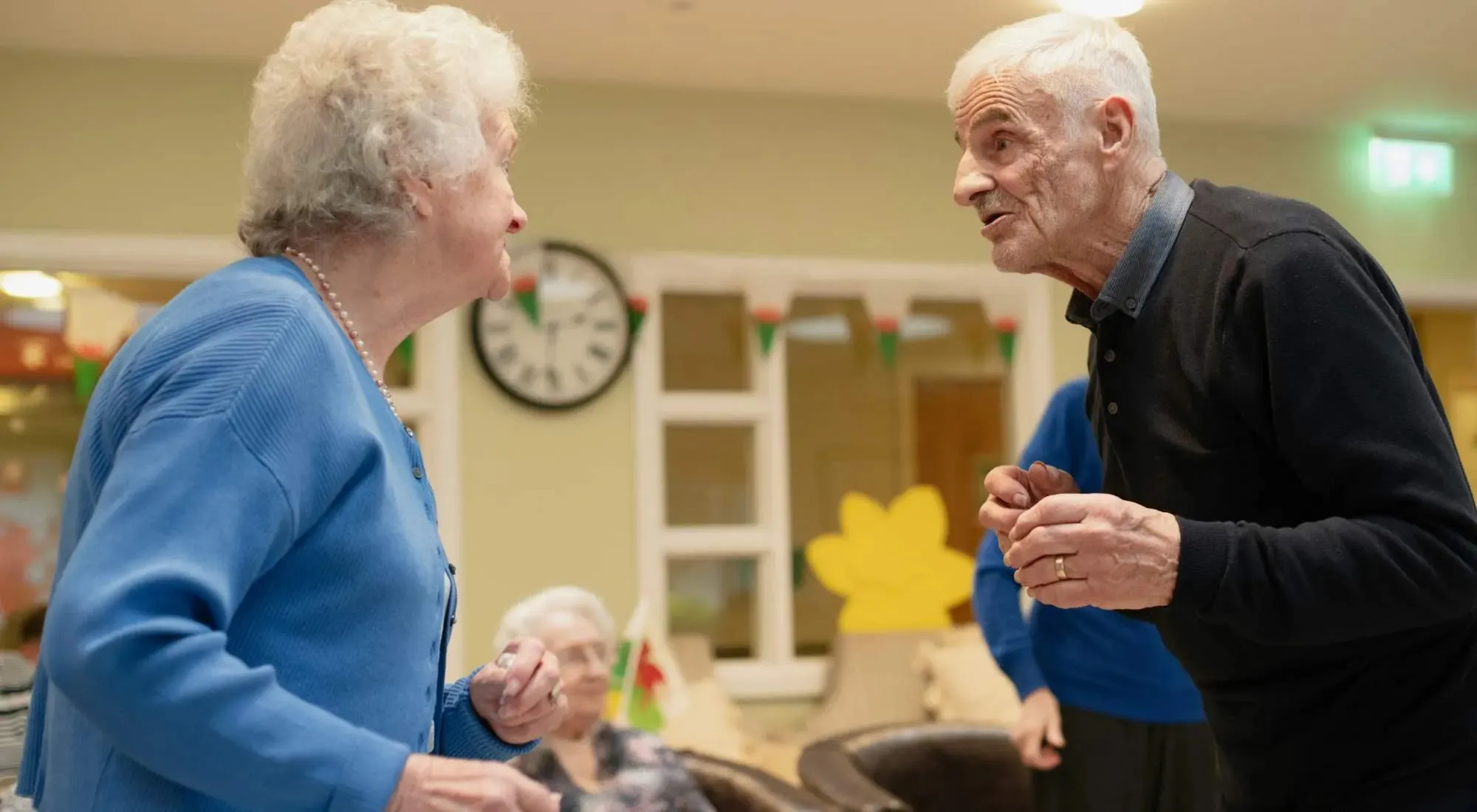
#1: Less Stressful Transition
Moving away from a longtime home can feel unfamiliar, even when assisted living is the right choice. Going through that transition with a spouse may provide an important source of familiarity and reassurance.
Instead of adapting to a completely new environment alone, couples can continue many of the routines they have built together over the years, such as:
- Eating meals together
- Talking about their day
- Participating in shared activities
- Simply knowing their partner is nearby
Families may also find reassurance in knowing both spouses are in a supportive community, particularly when one partner previously depended heavily on the other for everyday assistance.
#2: Companionship
One of the clearest benefits of assisted living for couples is the opportunity to preserve everyday companionship. A spouse is often someone with whom a person has shared decades of routines, experiences, celebrations, and challenges.
Remaining together can allow couples to continue enjoying simple moments, including:
- Having breakfast
- Attending an activity session or hobby class
- Taking a walk
- Relaxing together
While an assisted living community can create opportunities to form new friendships, couples do not have to give up the relationship they already value in order to benefit from a broader social environment. At The Country Home, couples can explore living and care options that help them stay close while continuing to build connections within the community.
#3: Mental and Physical Health Support
Social connection is an important part of overall well-being as people age. Research confirms there is a correlation between loneliness and social isolation with increased risks of several negative health outcomes, including:
- Depression
- Cardiovascular problems
- Cognitive decline
- Dementia
Living near a spouse does not guarantee better health, but maintaining a meaningful relationship may help couples preserve an important source of emotional and social support.
At the same time, assisted living can provide opportunities for additional social interaction beyond marriage, helping residents stay connected with other people while continuing to enjoy companionship with their partner.
#4: Caregiver Relief
When one spouse needs significantly more assistance, the healthier partner may gradually take on the role of caregiver. Over time, responsibilities such as helping with personal care, household tasks, or daily routines can become difficult to manage alone.
Assisted living allows professional caregivers to take responsibility for appropriate daily support while the spouse can spend more time being a partner rather than the primary caregiver.
This shift may allow couples to focus more on enjoying their time together. It can also provide families with reassurance that assistance is available without requiring one spouse to manage every aspect of the other's daily needs.
#5: Possible Financial Savings
Cost savings vary by couple and can depend on factors such as:
- Apartment or room size
- Each person's level of care
- Second-occupant fees
- Whether spouses share or maintain separate accommodations
- Changes in care needs over time
Some couples may also eliminate certain expenses associated with maintaining a private home after moving.
However, pricing structures vary significantly between communities. Families should request a detailed explanation of what is included and compare the couple's total expected cost rather than focusing only on the advertised monthly rate.
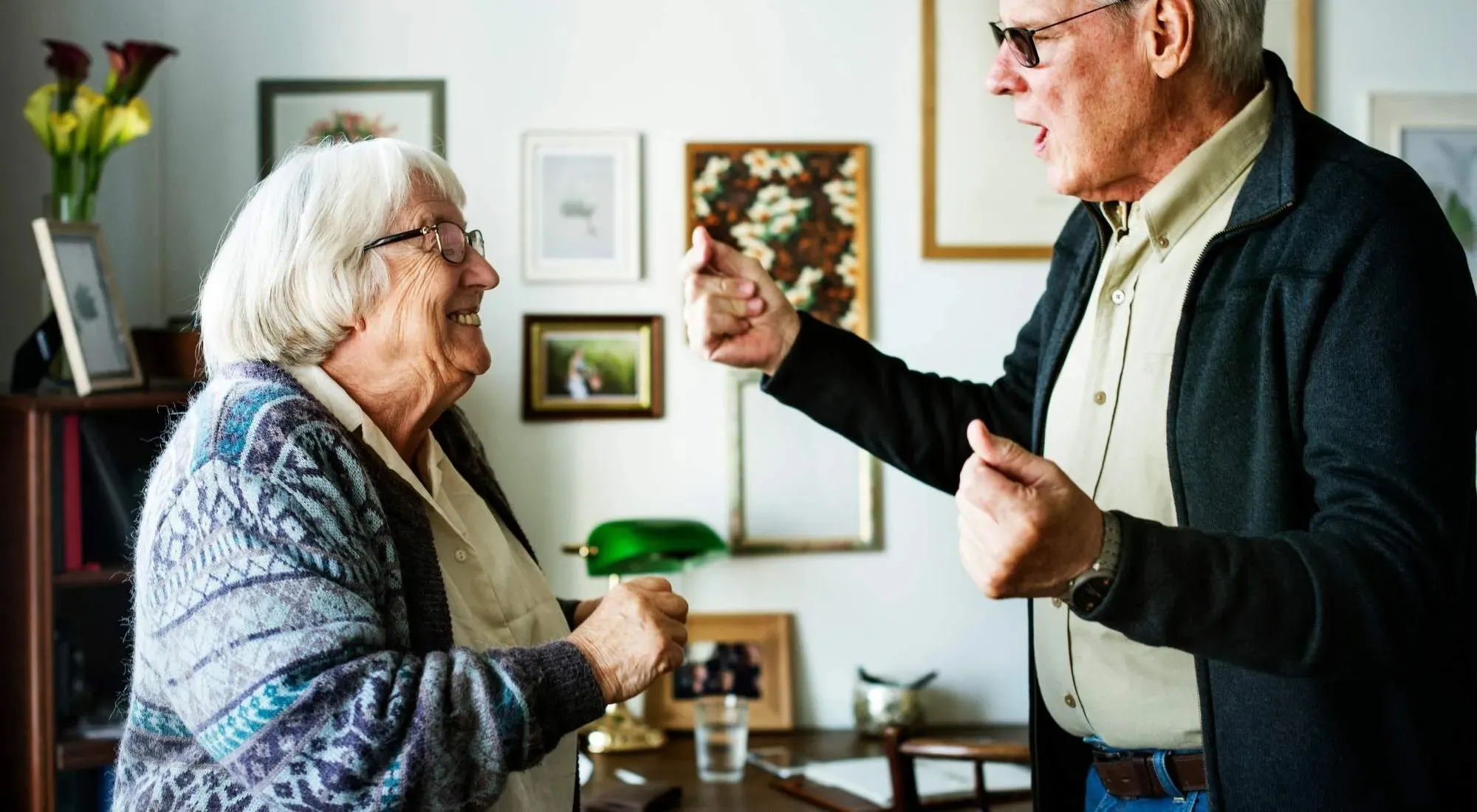
Finding the right option involves more than confirming that married couples can live together in assisted living. Families should determine whether a community can support both partners now and as their needs change.
Consider these steps:
- Plan early: Begin exploring options before an urgent health event forces the family to make a quick decision. Early planning also gives both spouses a greater opportunity to express their preferences.
- Have each person's care needs assessed: A doctor, social worker, geriatric care manager, or other appropriate professional can help determine the level of support each spouse requires.
- Visit communities and ask specific questions: Ask whether couples can share accommodations, what happens if one spouse needs a higher level of care, how visits work if they live separately, and how pricing changes for two residents.
Planning around both current and future needs can help families find an arrangement that supports care without unnecessarily sacrificing companionship.
Choosing assisted living as a couple is about more than finding the right level of support. It is also about protecting the companionship, routines, and sense of togetherness that have been built over a lifetime.
At The Country Home, couples and their families can explore independent living, memory care, and assisted living in Morris County, NJ, designed to accommodate changing needs while helping spouses stay connected.
If you are wondering what the next chapter could look like for you or someone you love, contact The Country Home to learn more about assisted living for couples and the options available.
The content in this blog is not intended to be a substitute for professional medical advice, diagnosis, or treatment. Always seek the advice of your physician or other qualified health provider with any questions you may have regarding a medical condition.
