The Average Length of Stay in Memory Care: What Families Can Expect
How long does someone stay in memory care? For families navigating a dementia diagnosis, knowing what to expect can make the road ahead feel a little less uncertain.
The good news is that there’s no single timeline families must follow. Memory care is designed to provide ongoing support as cognitive abilities change, helping residents maintain safety, comfort, and quality of life. Understanding what influences the length of stay can help you plan ahead and make more confident decisions for your loved one.
In this guide, we’ll explore the average length of stay in memory care, the key factors that affect how long someone remains, and how to prepare for the next stage of the journey.

Table of Contents
- How Long Do People Stay in Memory Care?
- 3 Factors That Can Affect the Length of a Memory Care Stay
- How a Memory Care Timeline Can Change by Dementia Stage
- How Does a Memory Care Stay Compare to Assisted Living and Nursing Homes?
- Is It Better for Dementia Patients To Stay at Home?
- Plan Your Next Step With Country Home
How Long Do People Stay in Memory Care?
A survey from the American Seniors Housing Association estimated a typical stay of about 19 months in freestanding memory care communities. Some residents stay for less than a year, while others live in memory care for several years.
A memory care stay begins when someone moves in, which can be years after a dementia diagnosis. The Alzheimer’s Association reports that people with Alzheimer’s disease live an average of four to eight years after diagnosis, and the disease progresses at a different pace for each person.
How long someone stays in memory care depends on a few things:
- How much help they need when they move in. One person may need reminders and supervision, while another already needs hands-on help with bathing, dressing, and meals.
- How their health and care needs change. Some residents need the same level of support for a long time. Others may need more help as dementia progresses or other health conditions develop.
- What care the community can provide over time. A resident may be able to stay as their daily needs increase. If they need ongoing medical care beyond what the community provides, they may need to move to a setting that offers skilled nursing.
If you’re exploring memory care for a loved one, we’re happy to talk through the support they need today and how their care might change over time. Schedule a tour of The Country Home to meet our team and ask questions.
3 Factors That Can Affect the Length of a Memory Care Stay
How long your loved one stays in memory care depends partly on how much support they need when they move in. Their health, the care the community can provide as their needs change, and what your family can afford all play a role.
#1: Stage at Admission
Most families look for memory care in the middle stage, when wandering and personal care needs begin to outpace what family caregivers can safely manage at home. Earlier moves often lead to longer stays because a resident has more time to settle into the daily rhythm.
Late-stage admissions tend to be shorter, since medical needs are higher upon arrival. One study found the average time from dementia diagnosis to nursing home admission was 3.3 years, which shows how much of the journey can happen before a move.
Located in Morris Plains, The Country Home believes in creating a welcoming environment that supports comfort, healing, and community every single day. The environment is designed for freedom of movement and peace of mind and is staffed by licensed professionals who provide attentive care and personal support. Schedule a tour today to find out more.

#2: Disease Progression and Overall Health
Care needs can change at different rates depending on the type of dementia and the person’s overall health. Some residents need about the same level of support for years, while others need more help within a few months.
Conditions such as heart disease or diabetes, as well as difficulty getting around, can affect how much daily support someone needs. A fall or hospital stay can also change what a person needs when they return to the community. How long they can stay may depend on whether the community can provide that additional care.
#3: Care Quality, Family Involvement, and Finances
When you tour a memory care community, ask how the team updates each resident’s care plan as their needs change. The answer can help you understand what support your loved one could receive over time. At The Country Home, familiar daily routines help residents know what to expect, while secure outdoor walking spaces, pet therapy, and music and art programs give them ways to spend time doing things they enjoy.
Regular visits help your loved one stay connected to family and give you a chance to share what you notice with the care team. If your loved one starts having trouble with a daily task or seems less interested in a favorite activity, you can talk with staff about what might help.
Cost can also affect how long your family can afford a particular community. Ask what the monthly rate includes and whether it could change if your loved one needs more daily support.
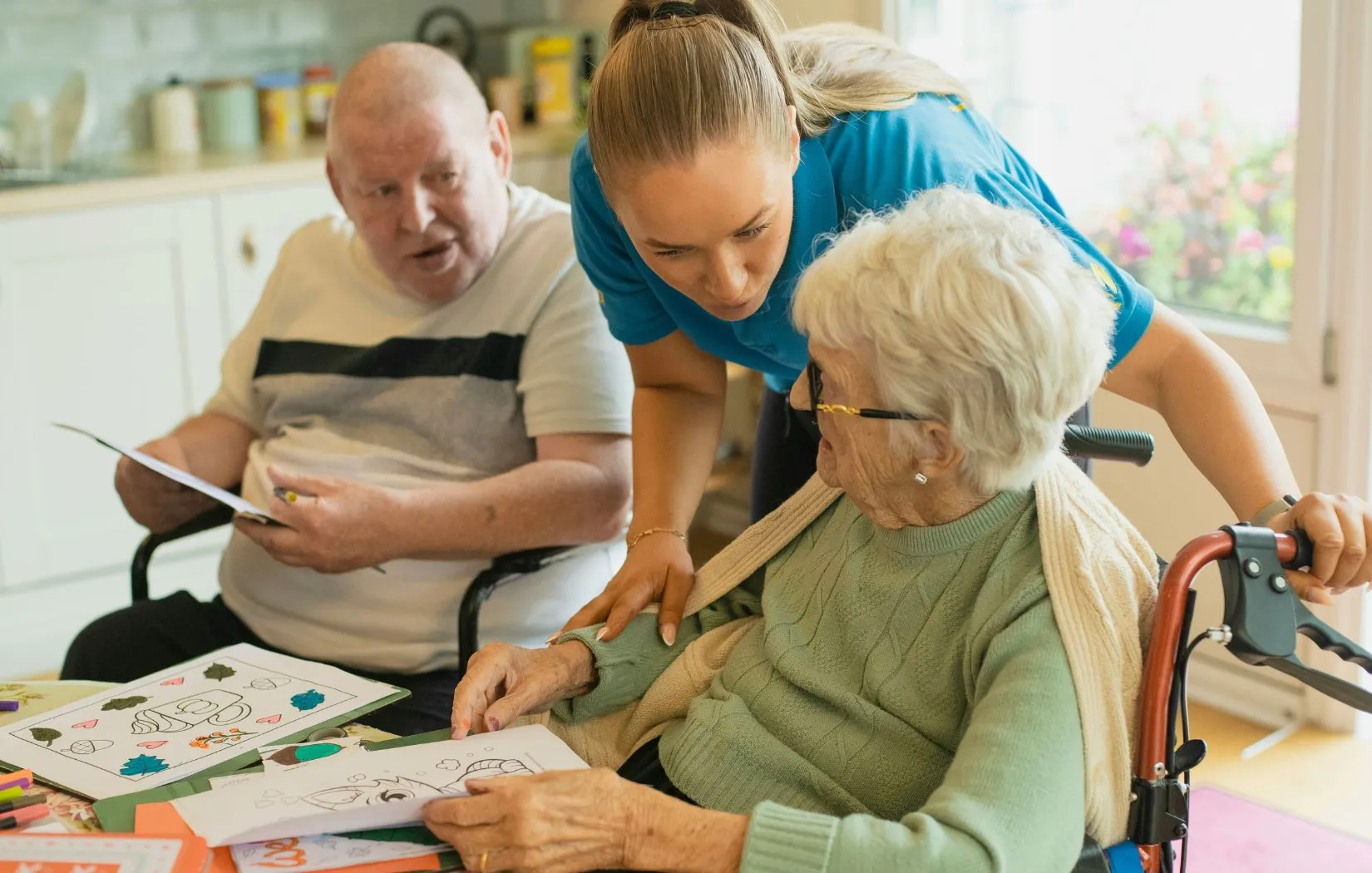
How a Memory Care Timeline Can Change by Dementia Stage
The stage of dementia at move-in can help you understand what kind of support your loved one may need now and what to ask about as you plan for their care. How long they stay depends on how their needs change and what the community can provide over time.
- Early stage. Many people continue living at home with some support. They may need help keeping track of appointments, managing medications, or following a daily routine.
- Middle stage. As confusion increases, your loved one may need more hands-on help with tasks such as bathing and dressing. If they begin to wander or need supervision throughout the day, your family may start exploring memory care.
- Late stage. Your loved one may need help with most daily activities, including eating and moving around. Ask the community what support it can provide and when skilled nursing or hospice services might be appropriate.
Your loved one’s doctor can help you understand how their symptoms are changing. The Alzheimer’s Association’s guide to the stages of Alzheimer’s disease can also help you prepare questions for the care team.
How Does a Memory Care Stay Compare to Assisted Living and Nursing Homes?
The estimated typical stay is about 25 months in assisted living and 19 months in freestanding memory care. Nursing home stays can vary widely because some people go for short-term rehabilitation, while others move in for ongoing nursing care.
| Care setting | What a stay can look like |
|---|---|
| Assisted living | About 25 months in the survey. Residents typically receive help with daily tasks such as bathing, dressing, or managing medications. |
| Memory care | About 19 months in the survey. Residents receive daily support and supervision tailored to people living with dementia. |
| Nursing home | A stay may last a few weeks for rehabilitation after an illness or injury, or several years for someone who needs ongoing nursing care. |
The Country Home offers assisted living and memory care in one Morris Plains community. If your loved one needs more support over time, ask our team what a move to memory care could look like and which parts of their daily routine they could keep.
Is It Better for a Dementia Patient To Stay at Home?
Staying at home can work well in the early stages of dementia, when your loved one can safely manage familiar routines with help from family or other caregivers. As they need more hands-on help or supervision throughout the day and night, it may be time to explore memory care.
You can start looking before a fall or hospitalization forces a decision. Signs that your family may need more support include:
- Your loved one wanders or tries to leave home alone.
- They regularly miss meals or forget to take medications.
- Small changes in their routine leave them increasingly confused or distressed.
- Caregivers are exhausted or struggling to keep up with daily care.
If you’re worried about how a move might affect your loved one, ask how the community helps new residents settle in and keeps familiar routines in place. Memory care can provide 24-hour supervision, secure entrances, help with personal care, and opportunities to spend time with other residents. The CMS GUIDE Model also explains how coordinated dementia care supports people living with dementia and their caregivers.
If you’re considering memory care in Morris County, NJ, you can tour The Country Home to see what daily care looks like and ask what the monthly rate includes.

Plan for Your Loved One’s Memory Care Stay With Country Home
If you’re wondering how long people stay in memory care, you may also be trying to figure out when to make a move and how much to budget. When you visit a community, ask what’s included in the monthly rate and how the team adjusts care as residents need more day-to-day help. Those answers can help you plan for the first few months and for changes down the road.
At The Country Home in Morris Plains, New Jersey, we offer independent living, assisted living, and memory care. We also offer pet-friendly living and accommodations for couples, so families can ask about keeping a pet close or continuing to live together when one partner needs more support.
Schedule a tour to meet our team, see what a typical day looks like, and talk through what a stay might look like for your loved one.