Engage, Connect, Thrive: The Best Memory Care Activities
A good memory care activity does more than fill the day. It creates opportunities for connection, purpose, and enjoyment.
For older adults living with memory loss, familiar activities can encourage self-expression, stimulate the senses, and bring back meaningful memories while supporting social and emotional well-being. From music and art to gentle exercise, games, and everyday tasks, the right activities can be adapted to meet each person’s abilities, interests, and comfort level.
Whether you’re a caregiver searching for ideas at home or exploring memory care options for a loved one, understanding which activities can promote engagement and quality of life is an important part of providing compassionate care. The Country Home has compiled a list of some rewarding memory care activities to consider.
Table of Contents
- What Are the Best Memory Care Activities?
- How Activities for Memory Care Can Benefit Dementia Patients
- 5 Memory Care Activity Ideas To Promote Physical, Cognitive, and Social Engagement
- Tips for Choosing the Right Memory Care Activities for Your Loved One
- Making Every Day Meaningful With Memory Care Activities at The Country Home
The best memory care activities are meaningful, familiar, enjoyable, and adapted to a person's abilities. Rather than simply keeping someone busy, activities for people with dementia should provide opportunities for purpose, social connection, movement, and reminiscence.
At The Country Home in Morris Plains, NJ, residents benefit from a supportive memory care environment where activities can be tailored to individual interests and abilities. The community's activities program is overseen by a Certified Activities Professional experienced in working with seniors with memory impairment.

Meaningful activities can give residents opportunities to connect with others, express themselves, and participate in familiar routines.
Benefits may include:
- A greater sense of purpose: Simple responsibilities can help someone feel useful and involved.
- Improved self-esteem: Successfully completing an activity can create feelings of accomplishment.
- Cognitive stimulation: Games, puzzles, music, sorting, and reminiscence activities engage different cognitive skills.
- Physical engagement: Walking, stretching, and dancing help residents stay active.
- Social connection: Group activities provide opportunities for conversation and friendship.
The goal isn't necessarily to complete an activity perfectly. Instead, the focus should be on the experience, enjoyment, and sense of accomplishment.
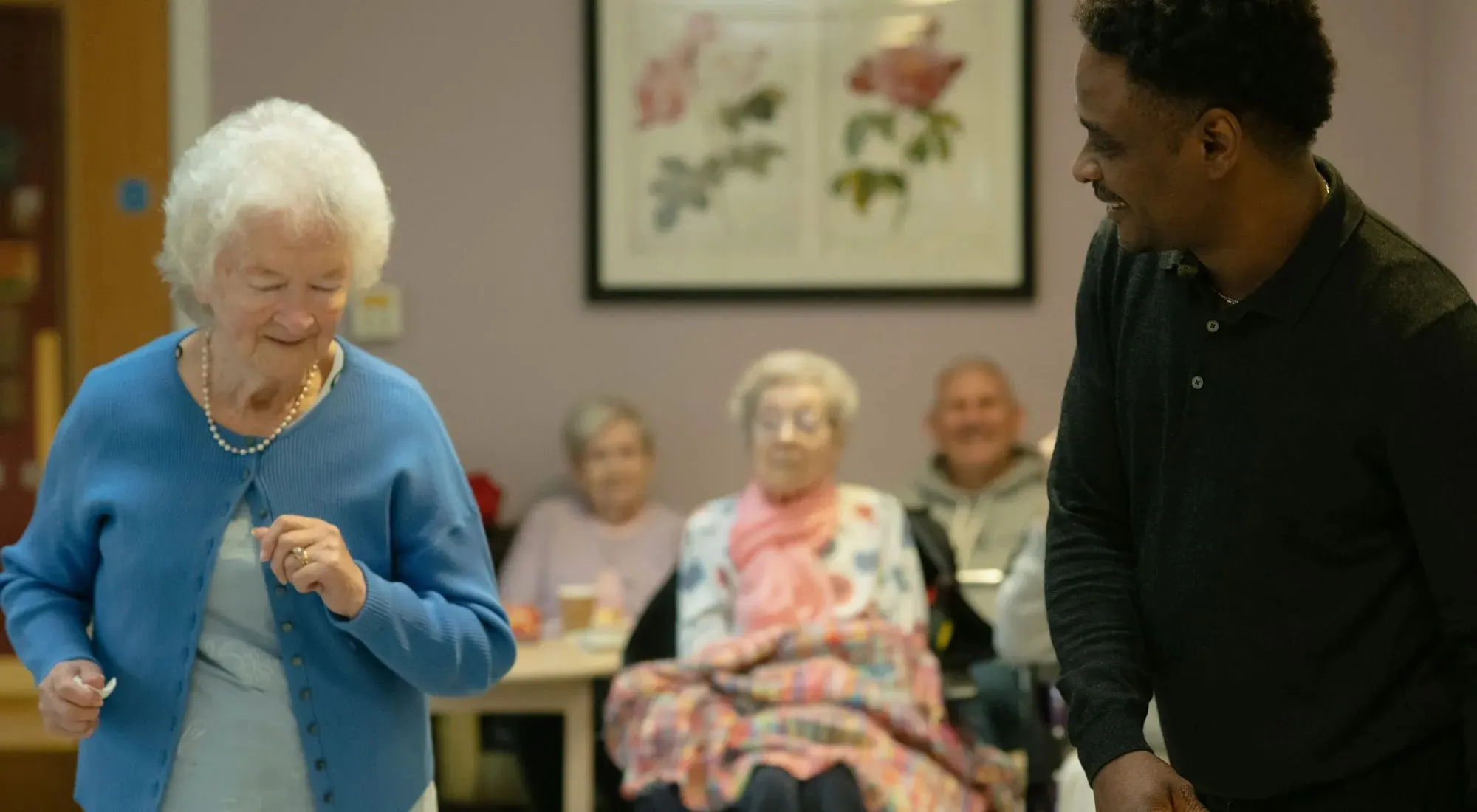
A well-rounded memory care activity program incorporates several types of engagement. Everyday tasks, creative projects, physical activities, cognitive exercises, and social events can all have a place in a resident's routine.
#1: Everyday Tasks and Meaningful Activities
Activities like those listed below that resemble responsibilities a person performed throughout life may create a sense of familiarity and purpose:
- Folding laundry: Folding washcloths, towels, or matching socks provides a simple task with a clear purpose.
- Kitchen preparation: Residents may enjoy washing plastic vegetables, shelling peas, stirring batter, or helping prepare a snack.
- Sorting items: Sorting buttons by color, playing cards by suit, or other safe objects provides cognitive and fine-motor engagement.
- Setting the table: Arranging napkins or utensils encourages participation in daily routines.
- Cooking and baking: Simple recipes combine sensory, cognitive, and social engagement.
#2: Creative and Sensory Activities
Creative and sensory activities give residents opportunities for self-expression without requiring them to remember specific information or achieve a particular result.
Music Activities
Music can be especially meaningful for people living with dementia. Familiar songs may evoke memories and emotions even when other forms of recall become difficult. Consider the following music activities:
- Music time: Create personalized playlists featuring music from a resident's young adulthood or other meaningful periods.
- Familiar songs: Listen to favorites and encourage residents to share memories connected to them.
- Group singing: Sing-alongs can encourage both participation and social interaction.
- Simple instruments: Residents may enjoy playing percussion instruments, piano, guitar, or other familiar instruments.
- Movement with music: Clapping, tapping, or dancing adds physical activity to music time.
Arts and Crafts
The following arts and crafts can promote self-expression, concentration, sensory engagement, and a sense of accomplishment:
- Watercolor painting
- Drawing and coloring
- Adult coloring books
- Working with soft clay
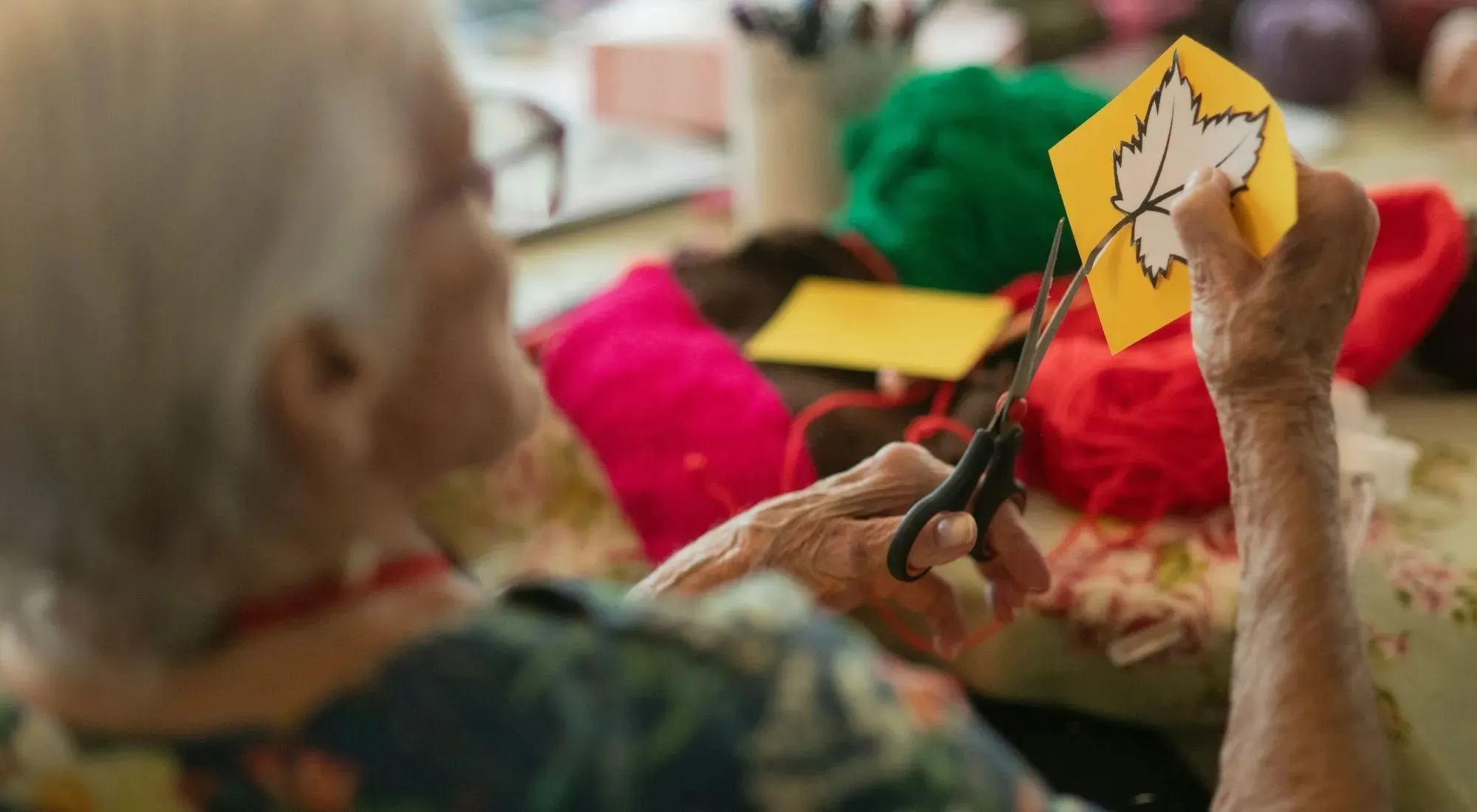
- Simple seasonal or holiday crafts
- Creating greeting cards or decorations
- Using tactile objects such as fiddle blankets or sensory mats
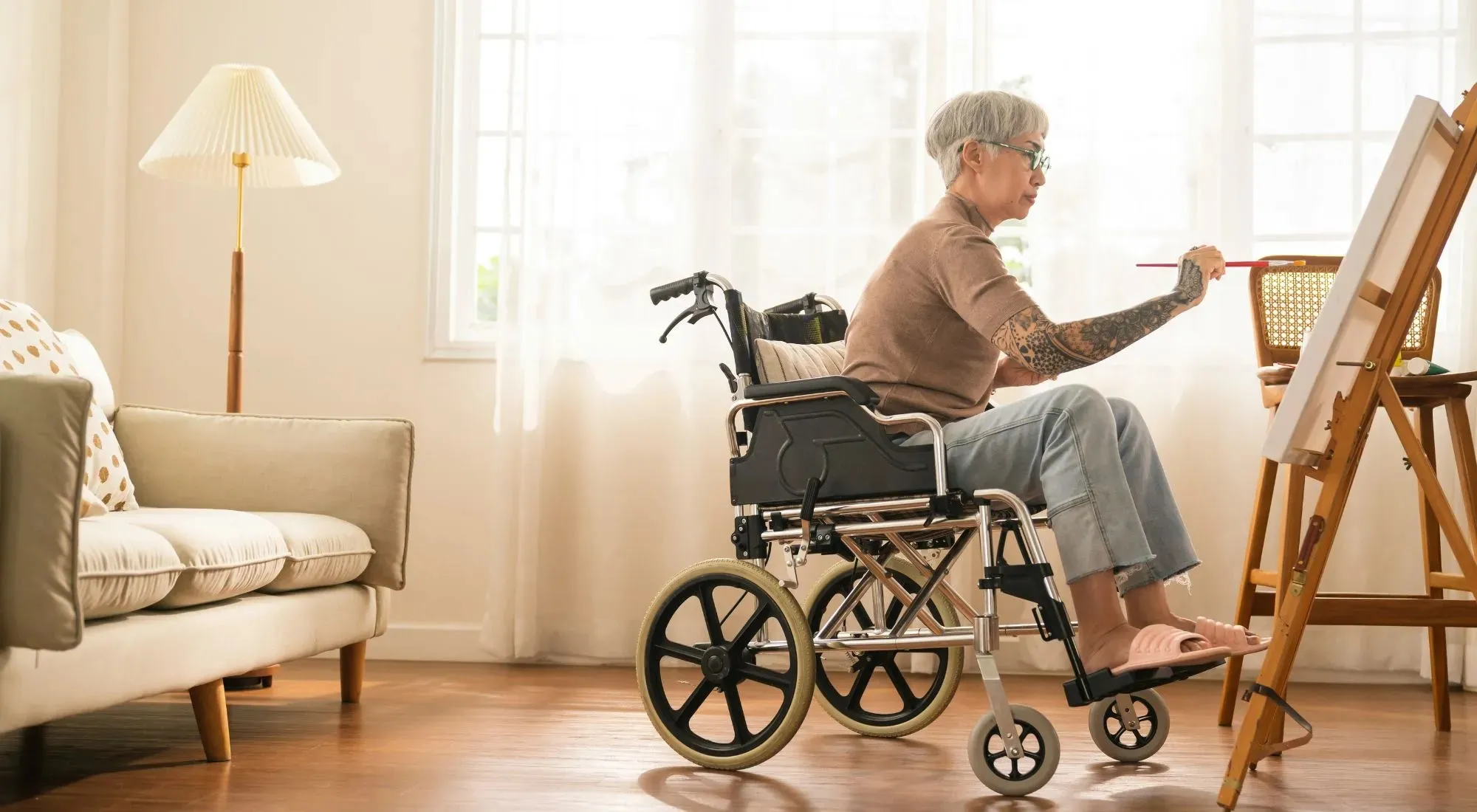
Projects should be adapted to each resident's abilities. Someone with limited dexterity might use larger brushes or easier-to-handle materials. The finished product doesn't have to be perfect. The experience itself is what matters.
#3: Physical and Outdoor Activities
Physical activity is another important component of a healthy memory care routine. Activities should be adapted to each person's mobility, strength, balance, and comfort level.
Physical Activities
Options can include:
- Chair exercises: Seated movements provide gentle physical activity for residents with limited mobility.
- Stretching and gentle yoga: These encourage flexibility without requiring strenuous exercise.
- Dancing: Dancing to familiar music combines movement with entertainment and reminiscence.
- Balloon toss: A seated game encourages hand-eye coordination without heavy physical strain.
- Walking: Short, supervised walks encourage movement and provide a change of scenery.
Outdoor Activities
Time outdoors adds valuable sensory and social experiences.
- Nature walks
- Sitting in a garden
- Bird watching
- Planting flowers or herbs
- Watering and caring for plants
- Enjoying seasonal changes
Gardening can be particularly engaging because it combines light physical activity with sensory experiences involving flowers, herbs, soil, and the outdoors.
#4: Memory and Cognitive Engagement Activities
Cognitive activities don't need to resemble schoolwork or tests. The best activities are often enjoyable, familiar, and appropriately challenging.
Consider:
- Photo albums: Look through family photographs and talk about people, places, and events.
- Memory boxes: Fill a box with meaningful keepsakes, photographs, souvenirs, or objects from someone's past.
- Reminiscence conversations: Encourage stories about childhood, family, careers, hobbies, or vacations.
- Simple puzzles: Large-piece jigsaw puzzles, matching games, and large-print word searches can be adapted to different ability levels.
- Bingo and trivia: Familiar games encourage cognitive and social engagement.
- Word games: Simple word associations or naming games can stimulate conversation.
- Sorting and categorization: Organizing objects by color, shape, size, or category provides cognitive and fine-motor engagement.
The difficulty should be adjusted to the individual. Activities that are too challenging can cause frustration, while activities that are too easy may not hold someone's attention.
#5: Social Activities
Social engagement can help combat isolation while creating opportunities for residents to develop friendships and feel part of a community.
Potential activities include:
- Coffee and conversation groups
- Book clubs and reading aloud
- Movie afternoons
- Bingo and trivia
- Group music and sing-alongs
- Holiday celebrations
- Birthday parties
- Themed events
- Family gatherings
A varied activity calendar allows residents to participate according to their interests and energy levels.
Not every activity will appeal to every resident, and preferences can change from day to day. Consider these tips:
- Match activities to abilities, interests, and life experiences. Someone who spent years gardening may enjoy caring for plants, while a former teacher might enjoy reading.
- Consider the stage of dementia. Activities may need to become simpler as cognitive abilities change.
- Keep activities flexible and pressure-free. If something causes frustration or anxiety, modify it or try something else.
- Focus on personal history. Favorite music, hobbies, occupations, foods, and traditions can all inspire activities.
- Maintain a predictable but varied routine. Structure can provide familiarity while variety keeps days interesting.
- Encourage family involvement. Family members can provide valuable information about a resident's past interests and participate in activities together.
- Prioritize safety. Activities should account for mobility limitations and other individual needs.
For someone living with Alzheimer's disease or another form of dementia, meaningful activities can be an important part of feeling connected, capable, and valued.
At The Country Home, which offers memory care in Morris County, NJ, residents receive individualized care in an environment designed to feel more like home than an institution.
The Country Home's activities program provides opportunities for residents to stay mentally, physically, and socially engaged. Activities can include:
- Bingo
- Card games
- Singing
- Dancing
- Painting
- Planting
- And more
Most importantly, meaningful engagement doesn't have to mean accomplishing a complicated task. It can be listening to a favorite song, tending a garden, decorating cookies, sharing an old story, or simply enjoying a conversation with a familiar face.
If you're looking for a memory care community that emphasizes personalized care, meaningful daily experiences, and opportunities for residents to remain engaged, The Country Home can help your family explore what that experience can look like. Contact The Country Home to learn more or schedule a visit in Morris Plains, NJ.
The content in this blog is not intended to be a substitute for professional medical advice, diagnosis, or treatment. Always seek the advice of your physician or other qualified health provider with any questions you may have regarding a medical condition.
