Assisted Living Through Residents’ Eyes: What They Like and Dislike
Choosing an assisted living community for a loved one can be difficult, especially when you're unsure how they'll feel about leaving home and adjusting to a new environment.
Fortunately, hearing from people who have already made the move can offer some perspective. Residents often share similar experiences, both positive and negative, that can help families know what to expect.
So, what do residents like and dislike most about assisted living? Let's look at the biggest benefits, the most common frustrations, and how communities help residents adjust to their new surroundings.
Table of Contents
- 3 Things Residents Like Most About Assisted Living
- 3 Things Residents May Dislike About Assisted Living
- How Senior Living Communities Ease the Adjustment Period
- Is Assisted Living the Right Fit for Your Loved One?
- Schedule a Tour at Country Home

3 Things Residents Like Most About Assisted Living
While everyone's experience is different, residents often appreciate three aspects of assisted living in particular: opportunities to socialize, relief from household responsibilities, and access to daily support without giving up all their independence.
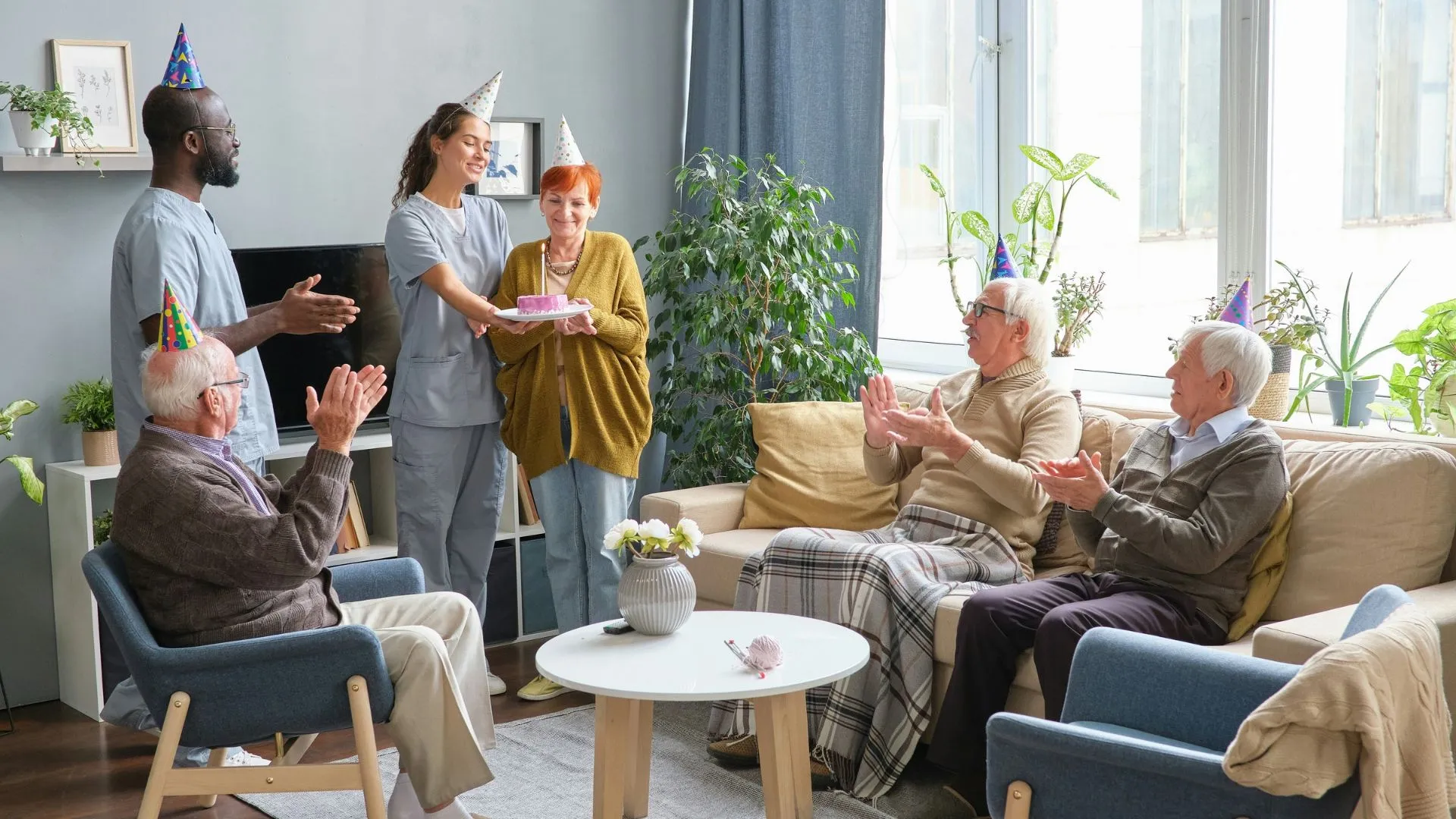
#1: Built-In Social Connection
Isolation is one of the most common struggles for seniors living alone, and it often eases within weeks of moving into a community.
Residents describe daily interaction as one of the biggest quality-of-life changes, specifically with:
- Daily meals shared with neighbors instead of eating alone
- Group activities like book clubs or morning coffee hours
- Friendships that form naturally through routine proximity
#2: Feeling at Home Without the Upkeep and Safety Worries
Many residents say the relief starts before they even finish unpacking. Daily tasks and worries can become someone else's job, while they still get to feel at home.
Residents especially appreciate:
- No more cooking, cleaning, or yard maintenance
- Fewer fall risks thanks to accessible, single-level layouts
- 24/7 staff availability if something goes wrong
#3: Structure Without Losing Choice
Residents often expect rigid schedules and are surprised to find flexibility built into the routine. Set meal and activity times reduce the mental load of planning a day, while residents still choose which programs to join and which to skip.
Their new and welcoming environment comes with conveniences that often include:
- Set meal and activity times that reduce daily decision fatigue
- Freedom to opt in or out of specific programs
- Personalized care plans that adjust as needs change over time
Reading about daily life is one thing. Seeing it happen in real time, over a shared lunch or a group activity, tends to answer more questions than any list can. If you'd like to see what a typical day looks like, scheduling a tour is the most direct way to find out.
3 Things Residents May Dislike About Assisted Living
While assisted living can offer valuable support, greater safety, and opportunities for social connection, the transition can also bring some difficult adjustments. Residents may have concerns about loss of independence, sharing their space with others, and leaving a longtime home
#1: Losing Some Independence
For many older adults, one of the hardest parts of moving to assisted living is getting used to accepting help with things they've always done on their own.
Residents may struggle with:
- Asking for assistance with personal tasks like bathing or dressing
- No longer being able to drive or come and go as freely as before
- Feeling like they have less control over everyday decisions
Adjusting to these changes takes time, and some residents find it more difficult than others. Caregivers who respect personal preferences, encourage independence whenever possible, and take the time to build relationships with residents can help make the transition easier.
#2: Sharing Space and Schedules
Moving from a private home into a community setting changes daily rhythms, even for residents who welcome the company.
Common adjustments include:
- Getting used to a roommate or shared common areas
- Meal times set by the community instead of personal preference
- Less privacy than a single-family home offered
Some residents adjust to this within a few weeks. Others, particularly those who lived alone for many years, need longer to feel comfortable with less personal space and a shared daily schedule.
#3: Leaving a Longtime Home
Moving out of a home where someone has lived for many years can be especially difficult. Beyond the familiar surroundings, residents may miss the routines, neighbors, and memories they've built over time.
Residents may struggle with:
- Parting with belongings that don't fit in a smaller living space
- Missing a familiar neighborhood, garden, or favorite places nearby
- Feeling homesick as they adjust to their new surroundings
Bringing familiar furniture, photographs, and treasured belongings into their new space can help residents feel more comfortable. Regular visits from family and opportunities to maintain favorite routines can also provide reassurance as they settle into their new home.

How Senior Living Communities Ease the Adjustment Period
Moving to a senior living community takes some getting used to, but there are several ways staff can help residents feel more comfortable. Encouraging residents to bring favorite furniture, photographs, and other personal belongings can make their new space feel familiar. Taking the time to learn each person's preferences, interests, and daily routines also helps staff provide more personalized care.
These efforts are especially important in memory care communities, where familiar surroundings and consistent routines can help residents feel more secure.
Country Home Memory Care in Morris County, NJ, offers additional ways to make the transition easier, including:
- Pet therapy and pet-friendly accommodations: Residents can enjoy the companionship of animals, and those with pets may be able to bring them along.
- Couples' accommodations: Spouses can continue living together and supporting one another as they adjust to their new surroundings.
Getting comfortable in a new community can take time. Having caregivers who remember how someone likes their coffee, which activities they enjoy, or when they prefer some time alone can make everyday life feel more familiar. Regular communication with families also helps staff understand residents' needs and respond to concerns as they arise.
Is Assisted Living the Right Fit for Your Loved One?
Every older adult has different needs and preferences, so it's important to consider how your loved one might respond to the changes that come with assisted living.
For someone who lives alone and struggles with daily tasks, having meals prepared, opportunities to socialize, and help available when needed may be a welcome change. Someone who values their privacy and independence, however, may have a harder time adjusting to community living.
Before making a decision, consider your loved one's health, personality, daily routines, and the level of assistance they need. If they're experiencing memory loss or cognitive changes, a specialized memory care community may be a better fit.
Families who are still exploring their options can learn more about the differences between assisted living and nursing home care to help determine which setting best meets their loved one's needs.
Experience What Residents Love About Senior Living at Country Home
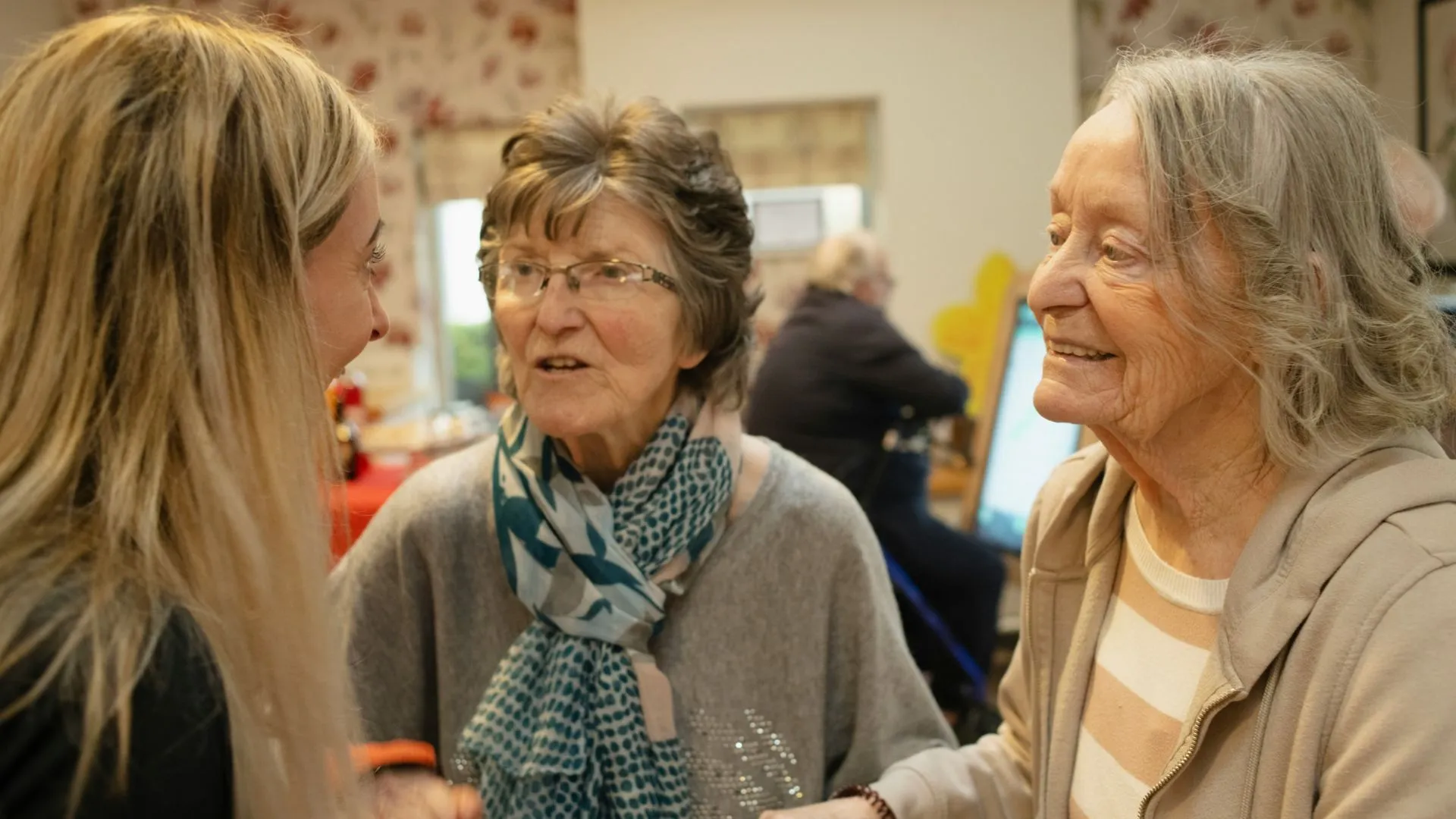
At Country Home Memory Care in Morris Plains, NJ, we understand what residents and families value most about senior living: companionship, personalized attention, a comfortable environment, and the reassurance that help is always available.
We also recognize that moving into a new community can be difficult. Our staff takes the time to get to know each resident, respect their preferences, and help them maintain familiar routines. With individualized memory care, pet therapy, and accommodations for couples, we strive to make the transition as comfortable as possible for residents and their families.
We invite you to schedule a tour of Country Home to meet our caregivers, explore the community, and see how we help residents feel safe, supported, and at home. Contact us today to arrange a visit and learn whether Country Home is the right fit for your loved one.