Choosing the Right Transition Time: When To Move to Assisted Living
At first, the changes may seem small. Mom missed a couple of doctor's appointments. Dad mentions he’s been having hot dogs and a beer for dinner daily. Grandpa’s home isn’t as clean as it once was. Grandma is having a hard time navigating her home.
Over time, these changes make it harder to manage safely. Knowing when to consider assisted living is likely one of the most difficult decisions a family faces. But understanding the signs can make the decision feel less overwhelming and help families make a choice that supports their loved one’s quality of life, safety, and independence.
In this article, we will discuss common signs that indicate it’s time to transition to assisted living, factors to consider when deciding, and how to prepare.
Table of Contents
- What Does Assisted Living Include?
- How Do You Know When It’s Time To Move to Assisted Living? 8 Signs You or a Loved One May Be Ready
- How To Prepare To Move From Independent Living to Assisted Living
- Country Home: Prime Accommodations for Your Assisted Living Needs
Assisted living is designed for older adults or people with disabilities who do not need 24/7 nursing care but do need assistance with daily living activities. These facilities have a home-like atmosphere and are a valid option for individuals who are mostly independent.
Such facilities provide:
- Daily help with personal hygiene
- Assistance with eating
- Prepared meals
- Housekeeping services
- Laundry services
- Medication management
- 24/7 security and on-site staff
- Group outings
- Fitness programs
- Common spaces
The Country Home has an expert team of compassionate professionals for seniors who need assisted living in Morris County, NJ. The Country Home offers person-centered care and cognitive engagement in a safe, home-like setting

At What Age Do Most People Move Into Assisted Living?
Although over half of assisted living residents are 85 or older, there is no predetermined age for when to move into assisted living. Many seniors enter assisted living between 75 and 84.
Age matters less than a person’s ability to live safely and independently. Signs that assisted living may be appropriate include:
- Living alone becomes unsafe.
- Assistance is required for daily living tasks.
- Medication management help is needed.
- Mobility issues and fall risks are increasing.
- Their health is declining.
- Living alone leaves them feeling isolated.
- Home maintenance becomes a burden.
- Adult children can't be round-the-clock caregivers.
The decision to enter assisted living isn’t always easy. However, there are some signs that may indicate the need to transition rather than aging in place.

#1: Medication Mismanagement
Many seniors face a regimen of medication to help regulate their bodies and manage chronic conditions. Multiple medications combined with cognitive decline can be dangerous.
Managing medication is a factor in transitioning to assisted living because of the increased risk of:
- Drug interactions and overdoses
- Forgetting or repeating doses
- Medical emergencies
- Inability to open packaging
- Incorrectly managing refills
- Inability to see labels and instructions
- Incorrect timing
- Difficulty for loved ones to track medication administration
Assisted living facilities help with medication management through:
- Timely reminders to take medication
- Administering medications
- Securely storing medications
- Completing formal administrative records
- Coordinating refills
- Communicating with doctors
#2: Poor Diet
As we age, interest in cooking may decline, and the hassle of grocery shopping and preparing meals may become too much. Some older adults do not have the mobility to prepare meals or handle utensils. Others don’t have adequate transportation to shop. Still others may suffer from depression, loneliness, or poor dental health, affecting their desire to eat and leading to poor diets.
Inadequate nutrition can have negative consequences, such as:
- Unintentional muscle and weight loss
- Lower bone density and weakness
- Increased fall risk
- Low energy
- Difficulty doing daily tasks
- Worsening of chronic conditions
- Accelerated confusion or memory loss
Assisted living facilities can help with proper nutrition by:
- Preparing balanced meals
- Preparing meals that meet dietary needs
- Giving seniors an opportunity to be social
- Providing access to fresh fruits, snacks, and drinks at any time
- Providing options through daily menus
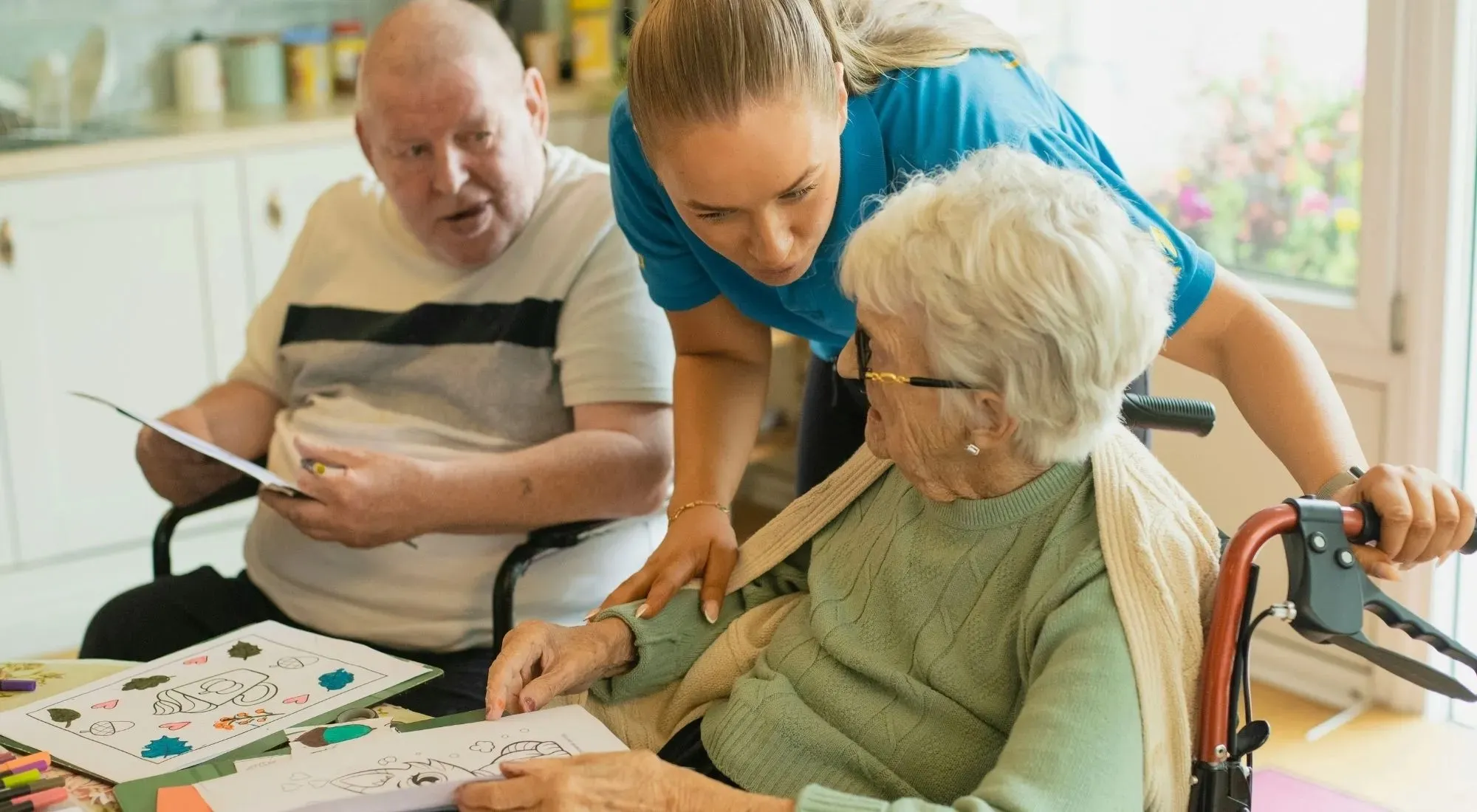
#3: Isolation
Whether it is due to the loss of a spouse, children who live far away, or loss of driving privileges, feelings of isolation can negatively impact mental health.
The negative impacts of isolation can extend beyond loneliness and may include:
- Worsening depression or anxiety
- Faster cognitive decline
- Lower levels of physical activity
- A weaker immune system
- Poor eating habits or reduced appetite
- Difficulty keeping up with medications
- Less access to immediate help after a fall or medical emergency
Assisted living facilities can help reduce isolation by:
- Providing shared meals
- Offering group activities
- Giving opportunities for daily peer interactions and connection
- Providing assistance with health needs
- Reducing the dangers associated with living alone
#4: Unsafe Environment
Many homes become unsafe as we age, often having features that become hazards as mobility declines.
Factors that can make homes unsafe include:
- Steep stairs
- Narrow halls and doorways
- Clutter
- Poor lighting
- Loose rugs
- Slippery tubs
- Lack of grab bars
- Inability to perform repairs
- Unclear walkways
Cognitive decline can also make homes unsafe because of:
- The potential to leave appliances running
- The possibility of leaving the home and becoming disoriented
- Inability to get up or reach a phone after falling
- Trouble with basic tasks
- Difficulty with meal preparation
Assisted living facilities can provide a safe environment by:
- Being wheelchair- and walker-friendly
- Having walk-in showers
- Providing personal alert systems or alarm cords in rooms
- Utilizing non-slip flooring
- Eliminating home maintenance needs
- Providing prepared meals
- Preventing wandering
#5: Home Neglect
Many older adults struggle with completing home repairs and cleaning tasks because they are physically frail or have cognitive struggles.
Factors making remaining at home difficult include:
- Seniors may lack the strength and endurance to complete chores.
- Older adults are at a higher risk of dangerous falls.
- Seniors may have difficulty navigating stairs.
- Older homes need frequent, expensive repairs.
- Hiring help is costly.
Assisted living eliminates these challenges by providing:
- Cleaning services
- Laundry assistance
- Trash removal
- Walkway clearing
- Lawn care
- Repairs
- And more
#6: Caregiver Insufficiency
Although family members care deeply for their loved ones, there comes a point when caring for an older adult can become unsustainable.
These signs indicate a need for assisted living:
- Caregiver exhaustion and burnout
- Lack of time and resources for complex health issues
- Declining caregiver health
- Progressive illnesses
- Inability to prevent falls
- Caregivers missing work and obligations
- Excessive financial burden of in-home caregiving
Assisted living can improve caregiving by:
- Allowing caregivers to transition back to their roles as relatives
- Offering help with daily tasks
- Monitoring health routinely
- Responding to urgent calls
- Alerting doctors or nurses to health changes
#7: Difficulties With Activities of Daily Living
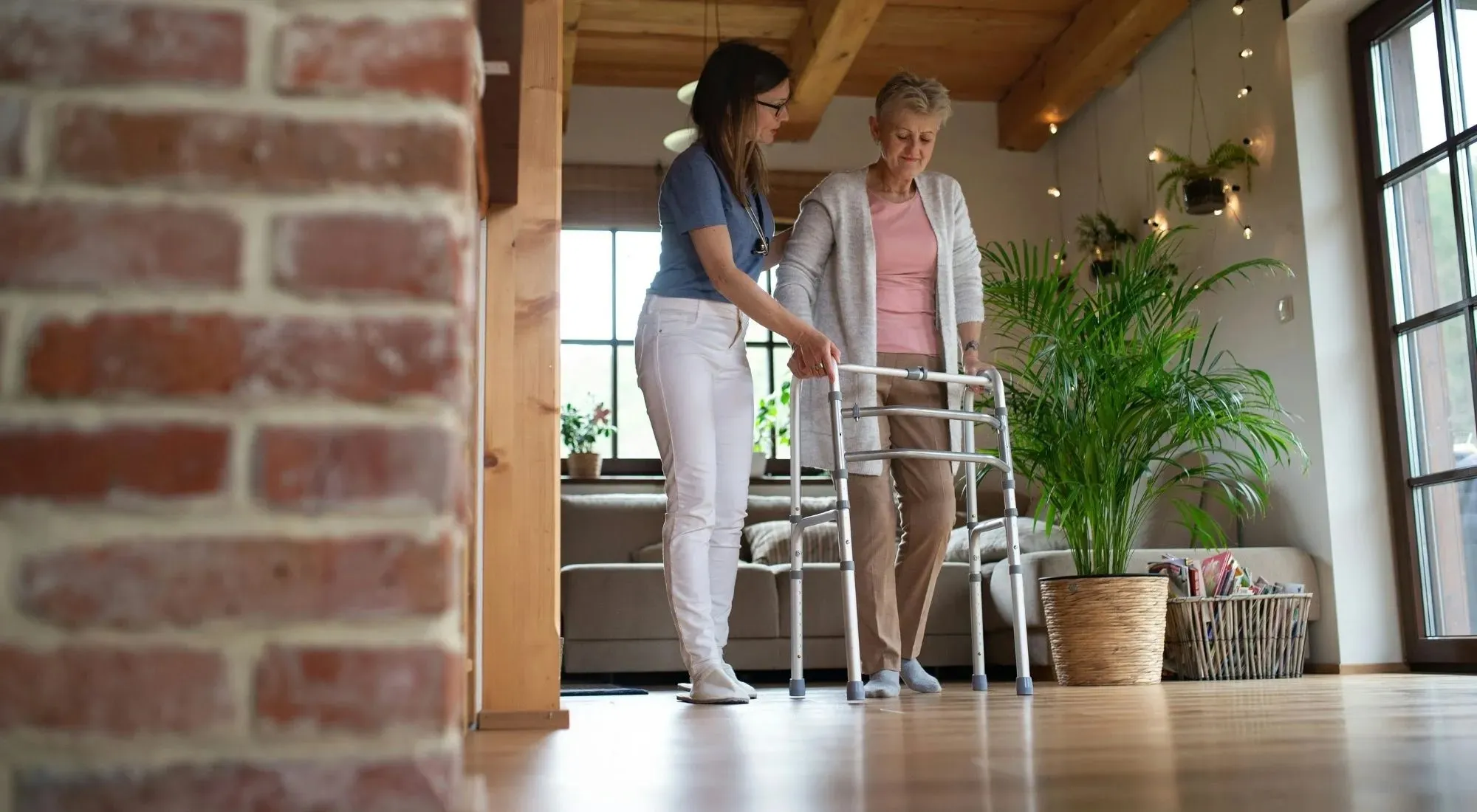
Daily living tasks become increasingly harder as we age. Many activities, such as showering, tidying the house, or getting out of bed, can pose safety risks.
Signs that an older adult may be struggling include:
- Difficulty bathing
- Mobility issues
- Inability to shop for groceries or prepare meals
- Forgetting or mismanaging medications
- Chores piling up
- Unsanitary environment
- Needing round-the-clock care
Assisted living provides support with:
- Bathing, dressing, and toileting
- Housekeeping services
- Laundry assistance
- Meals
- Administering medications
#8: Multiple Medical or Behavioral Problems
Managing daily life for an older adult may become a significant challenge for caregivers. Remaining at home with complex medical or behavioral needs can become unsafe.
Medical complexities pose challenges because of:
- Complex medication management
- Higher fall risk
- Physical fragility
- Daily needs requiring hands-on help
Behavior issues may include:
- Confusion
- Agitation
- Mood swings
- Wandering
- Self-isolation
- And more
Assisted living communities can help with:
- Day-to-day assistance in managing medical conditions
- Medication support
- Preventing wandering
- Behavior management
Before making the move to an assisted living facility, you should discuss it with your loved ones and tour facilities to see if they will be a good fit.
Consider these factors during tours:
- Staff-to-resident ratios
- Staff turnover rates
- Staff qualifications and interactions
- Cleanliness
- Safety features
- Costs
- Move-out triggers
- Dining
- Activities
- Transportation
Once you select a facility, prepare for the move by:
- Gathering insurance, finance, and healthcare documents
- Checking community rules and planning what to take
- Completing paperwork
- Updating your address at the post office, bank, insurance company, etc.
- Arranging utility changes for your current home
The Country Home is an ideal choice for assisted living. It has many amenities to bring residents comfort, including beautiful, open outdoor spaces, organized social events, an in-house salon, and more.
The staff delivers compassionate, person-centered care in an enriching, safe, and home-like setting. Each resident is treated with kindness, empathy, and respect as we make genuine connections and heartfelt interactions. Compassion, dignity, and community are the pillars we uphold at The Country Home.
Contact us today to schedule a tour.
The content in this blog is not intended to be a substitute for professional medical advice, diagnosis, or treatment. Always seek the advice of your physician or other qualified health provider with any questions you may have regarding a medical condition.
