Memory Care With Physical Therapy: How On-Site Care Is More Than Just a Convenience
Your mom or dad just got home from the hospital after a fall. The doctor mentioned physical therapy three times a week, and now you're picturing the next few months: driving them to appointments, waiting through each session, rescheduling around fatigue, and worrying about another fall in between visits. At the same time, you're balancing work, responsibilities at home, and the rest of your family's needs.
Getting the right therapy shouldn't create another obstacle for the person recovering or the family supporting them. When physical therapy is available inside the memory care community where your loved one lives, treatment becomes part of their routine. That can mean more consistent care, closer coordination, less disruption, and a recovery process that works better for everyone involved.
This article covers what physical therapy entails in a memory care setting, how outcomes are measured, and why it might be the best choice for your family, not just a convenience.
Table of Contents
- The Role of Physical Therapy in Memory Care
- Everyday Benefits of Memory Care With In-House Physical Therapy
- 3 Physical Health Benefits of Memory Care With Physical Therapy
- 7 Ways Memory Care Communities Integrate Physical Therapy Into Daily Life
- Does Physical Therapy Help Dementia Patients?
- See the Difference Memory Care With Physical Therapy Can Make at Country Home
The Role of Physical Therapy in Memory Care
Physical therapy in a community setting focuses on:
- Strength
- Balance
- Flexibility
- Gait training
Physical therapy at a memory care facility does not interrupt a resident's day. It happens as part of daily life, built around the same routines, meals, and activities a resident already knows.
Residents typically start physical therapy for a handful of common reasons:
- Recovery after surgery
- An arthritis flare-up that's made walking painful
- A recent fall
- A general decline in mobility that's crept up over months
Progress is real, but it's gradual. Research on physical therapy for seniors shows improvements in mobility, even among residents considered frail. That kind of gain happens over weeks and months. Families who expect overnight change are often disappointed; families who understand the timeline tend to stay more engaged with the process.
Seeing a therapy space firsthand answers more questions than any brochure can. Families considering Country Home are welcome to schedule a tour of our Morris Plains community to walk through the therapy space, meet the team, and ask about a specific situation directly.
Everyday Benefits of Memory Care With In-House Physical Therapy
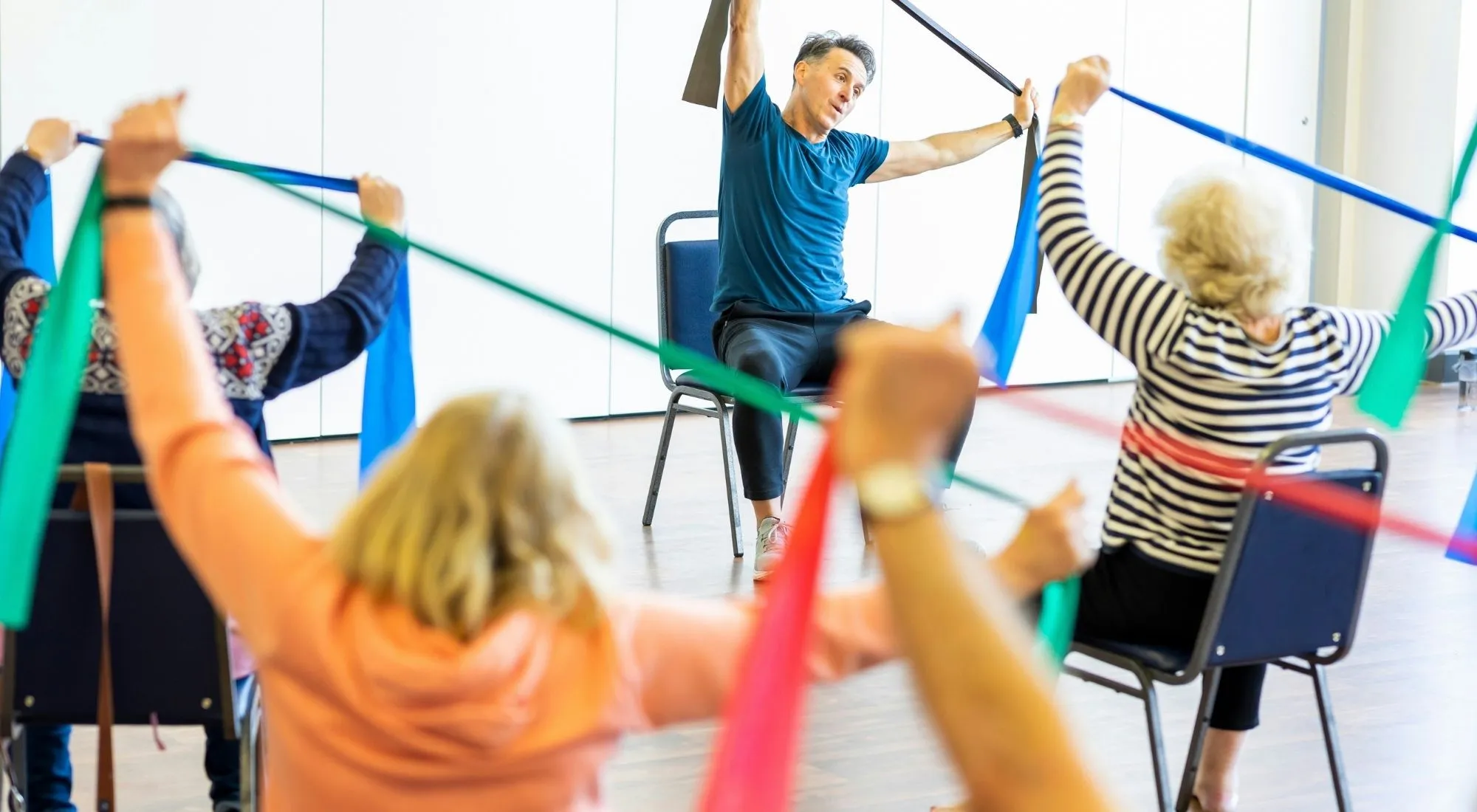
Having physical therapy available inside a memory care community removes many of the obstacles that can make outside appointments difficult for older adults and their families.
Some of the biggest benefits include:
- Less transportation fatigue: Residents can save their energy for the therapy session instead of using it on the trip to and from a clinic.
- Fewer missed appointments: Bad weather, unavailable rides, and transportation problems are less likely to interrupt treatment.
- Easier scheduling: Therapy can fit around meals, activities, doctor visits, and a resident's normal routine.
- More consistent care: Fewer logistical barriers can make it easier for residents to stay on schedule with their therapy plan.
- Faster communication: Therapists can communicate directly with nursing and care staff when they notice changes in balance, mobility, or strength.
That closer coordination can be especially valuable when a therapist notices a new concern. Instead of waiting for the next outside appointment, the care team can respond quickly and adjust the resident's support before a minor issue becomes a larger one. See how Country Home makes on-site physical therapy easier to fit into everyday life.

3 Physical Health Benefits of Memory Care With Physical Therapy
Families want numbers, not just reassurance. Here's what research shows about the real effects of physical therapy on memory care residents.
#1: Fewer Falls
Balance and strength training directly reduce fall risk, which matters given how often falls send older adults to the emergency room.
- 1 in 4 older adults fall each year in the U.S.
- Physical therapy programs focused on balance and strength have been linked to a 29-35% reduction in the rate of falls.
- When a therapist is on-site, a near-fall or a wobbly moment during a session can trigger an adjusted plan that same week instead of waiting on an outside referral.
#2: Better Mobility and Walking Speed
Consistent in-house sessions build on the previous session rather than restarting after gaps between outside appointments.
- Outcomes data show improved walking speed and steadier balance among residents who adhere to therapy.
- Residents who attend regular sessions tend to see more consistent gains than those with inconsistent attendance.
- Even very frail residents show measurable improvement over time, not just those starting from a higher baseline.
#3: Faster Recovery After a Hospital Stay
Starting therapy protocols right after discharge, rather than waiting for an opening at an outside clinic, shortens the path back to a resident's normal routine.
- Immediate, on-site therapy closes the gap between hospital discharge and active recovery.
- This supports lower readmission risk by catching setbacks early.
- Nursing staff stays looped in on discharge instructions in real time, instead of relying on a folder of paperwork that may or may not get read carefully.
7 Ways Memory Care Communities Integrate Physical Therapy Into Daily Life
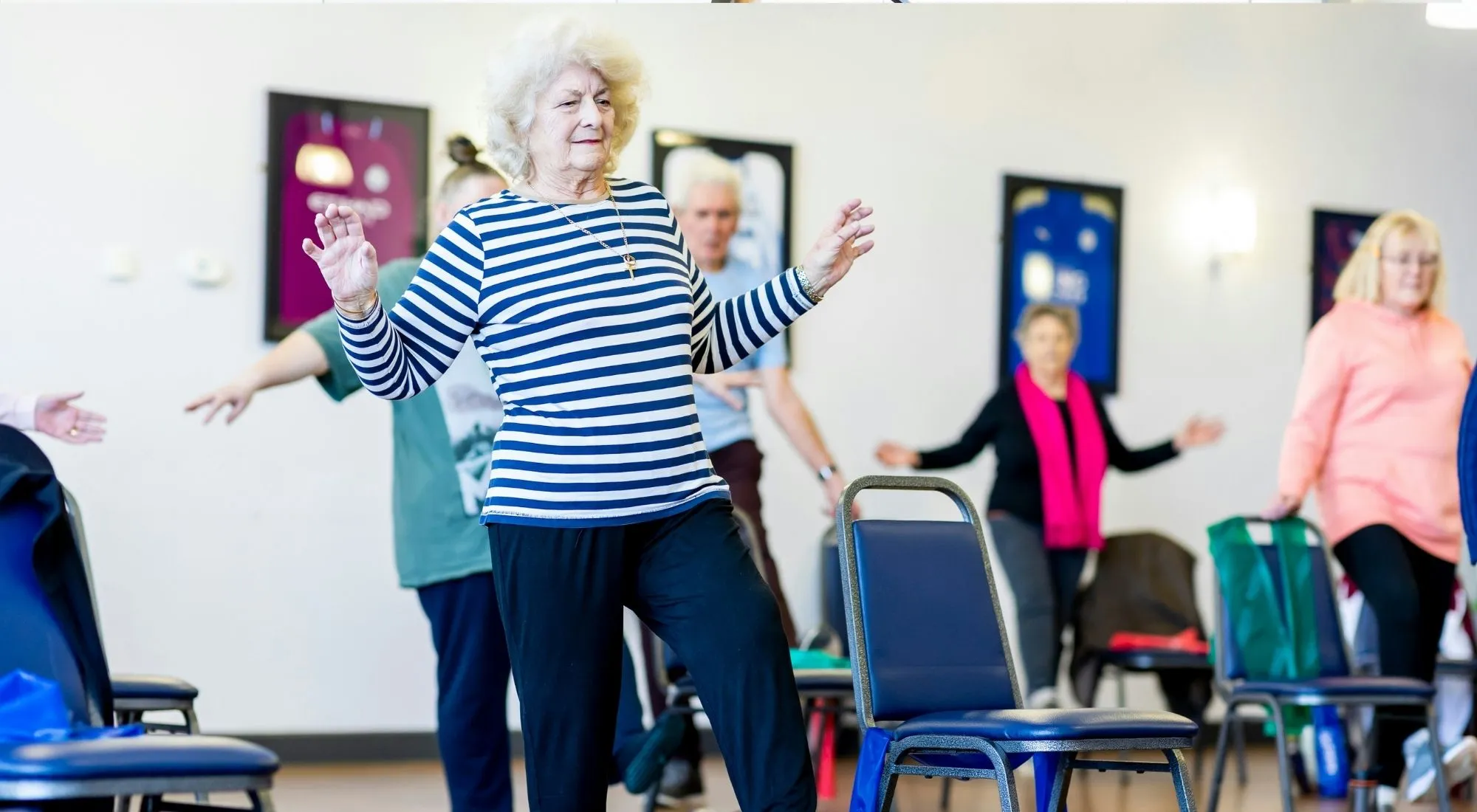
Physical therapy works best when it supports a resident's normal routine instead of feeling like a separate medical task. In memory care, that can happen in several ways:
- Coordination with nursing staff: Therapists can share changes in balance, strength, pain, or mobility with the care team so support can be adjusted quickly.
- Collaboration with dining staff: Recovery goals may influence meal preparation, positioning, or other daily support when appropriate.
- Support from activities staff: Activities can reinforce movement, strength, and participation outside formal therapy sessions.
- Therapy that fits the resident's schedule: Sessions can work around meals, rest periods, appointments, and other daily routines.
- Familiar surroundings: Residents can practice movement and mobility in the same environment they use every day.
- Support from loved ones: Staying close to a spouse or partner can provide reassurance and motivation during recovery.
- Pet-friendly living: For residents who are attached to a pet, keeping that companionship can help preserve comfort and a sense of normalcy.
At Country Home, these pieces are already part of the community experience. Therapy can be coordinated with nursing, dining, and activities staff, while couples accommodations and pet-friendly living help residents maintain important sources of comfort and support during recovery.
Families can schedule a tour of Country Home's Morris Plains community to see how therapy, daily care, and resident life work together in person.
Does Physical Therapy Help Dementia Patients?
Yes. While dementia residents may not remember specific exercises, physical therapy still:
- Improves balance
- Reduces fall risk
- Eases agitation
- Supports better sleep
Therapists trained in dementia care use gentle, routine-based techniques focused on comfort and safety rather than conscious goal-setting.
The benefits show up in daily behavior rather than in a resident's memory of the session. A caregiver might notice calmer evenings, steadier walking from room to room, or less wandering.
For families whose loved one's mobility needs are complicated by cognitive decline, Country Home's memory care in Morris County, NJ, program is built specifically around these overlapping needs, pairing therapy with the structure and supervision dementia care requires.
See the Difference Memory Care With Physical Therapy Can Make at Country Home
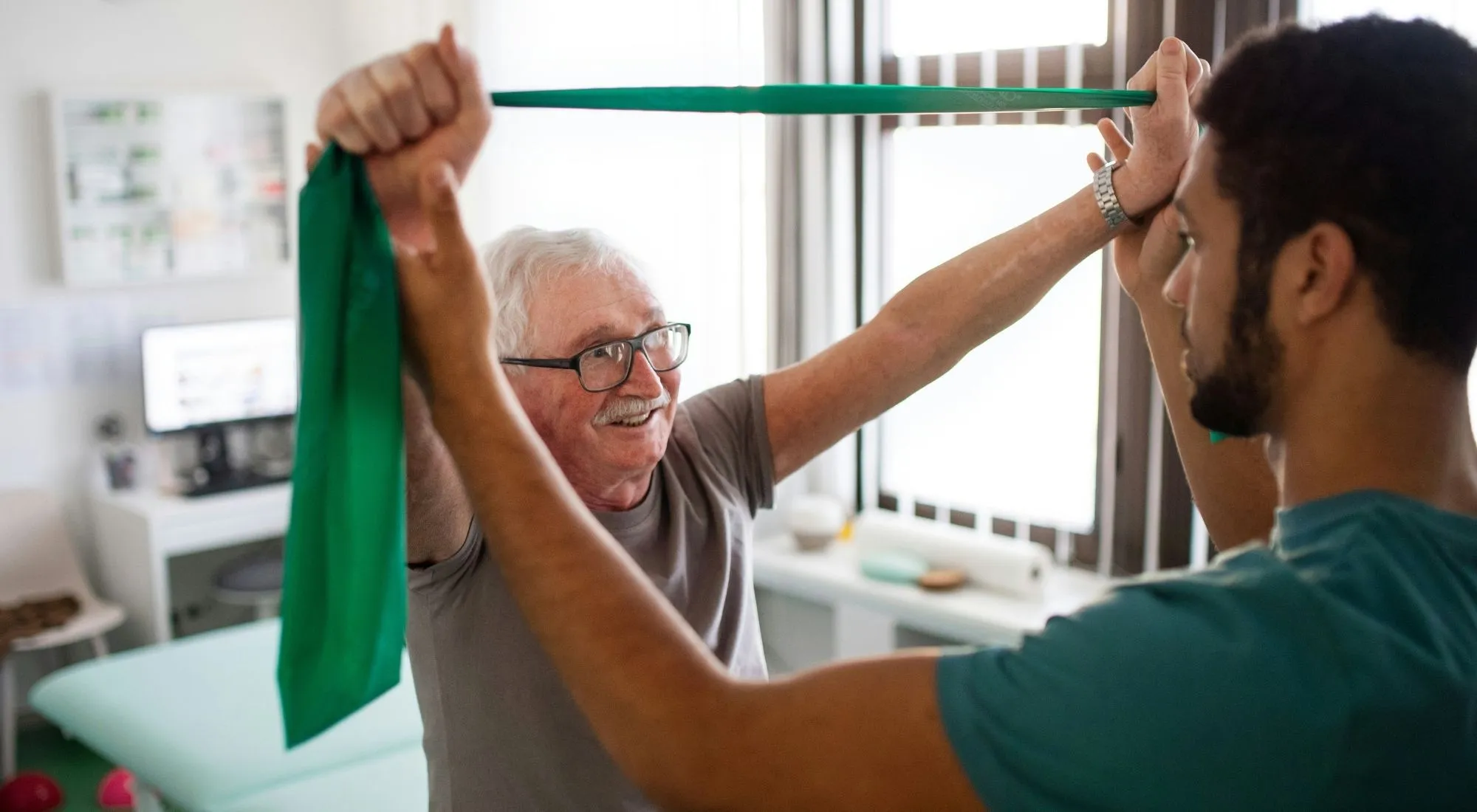
Memory care with physical therapy can make recovery easier to manage by bringing therapy, daily support, and ongoing communication into the same environment. As residents work toward greater strength, mobility, and independence, physical therapy at a memory care facility can mean:
- Fewer transportation barriers
- More consistent sessions
- Better coordination with caregivers
- Continued support
Country Home brings those pieces together in one community. Residents can receive physical therapy without leaving the place they call home while staying connected to the staff, routines, activities, and people that support them every day.
If your parent or spouse is recovering from a fall, surgery, or changes in mobility, come see what that kind of coordinated support looks like in person. Schedule a tour of Country Home in Morris Plains, meet the team, and learn how physical therapy can become part of your loved one's daily care.